Design a proof of concept for a healthcare SAAS solution for large practices that helps automate the onboarding of patients and Clinical staff to reduce operational costs and increase patient experience.
- Company
- Cold Start
- Domain
- Healthcare
- Discipline
- Research, UX, UI
Context
00 Pre-history
The initiator of the creation of the product was the venture company Cold Start. Cold Start founded the unicorn company in the child behavioural health domain and has 5 incubated companies in the portfolio.
01 Problem
Healthcare technology is broken. From the one-size-fits-all solutions that don’t solve the nuanced problems of specific fields to the enterprise solutions that were built on antiquated tech and poor user experience. To solve this problem, modular technology solutions need to be created to suit the unique needs of each field - from dentists to physical therapists to optometrists to nursing homes, and more.
02 Solution and value proposition
A modern enterprise-level healthcare technology company – HCX – will bridge that gap. HCX will provide a value-added product, encompassing a unified platform for all patient, provider, and business needs. HCX can go to market by introducing a modern booking flow, patient portal, admin portal, and provider portal. This can then be rapidly expanded with enhanced and customizable feature sets in the provider/patient portal and a launch into automated collection management.
03 Users
There are two sides to the healthcare practice business: Demand and Supply. Demand - patients, who seek clinician service. Supply - clinicians who provide the service to patients.
There were identified 4 roles on the platform: Admin roles, Clinicians, Patients, and decision-makers CEO/COO.
04 Platform details
The HCX platform contains four core parts, to meet the needs of the supply and demand side of practice management:
Web-booking-flow [Demand]
- Increases patient demand through higher conversion rates
- Reduces operational costs associated with manual/repetitive tasks of a front desk staff by collecting information that is often obtained up-front during a phone/call or visit to a practice
- Leverages learnings from Elemy and showcases them as a successful client when pitching new leads
Patient Portal [Demand]
- Reduces no-shows and cancellations through intelligent reminders and messaging
- Increases repeat bookings through improved patient communication
- Provides a great user experience that Increases patient NPS leading to increased brand advocacy and loyalty
Admin Portal [Supply]
- Reduces time to complete day-to-do admin tasks
- Is easy to use and replaces other confusing and fragmented tools
Provider Portal [Supply]
- Reduces time for provider onboarding and training
- Providers clear patient engagement and messaging
Healthcare platform examples: Nexhealth, Patientpop
Now from the idea and assumption of the market demand for such a solution, we need to make deep dive to make uncertain things certain, close knowledge gaps, and make sure that we will deliver the ultimate human-oriented experience. The purpose of the user and market research is to significantly decrease a risk of the venture failure ithe n saturated US market of healthcare products. The design teaneedsed to make sure thae with the lowest cost we can achievthe e maximum result.
Phase 1: Discovery
00 Research objective
Design a proof of concept for a healthcare SAAS solution for large practices that helps automate the onboarding of patients and Clinical staff to reduce operational costs and increase patient experience.
This proof of concept will be used to pitch potential partners and secure partnerships. Through these conversations, we plan to further refine our understanding of the product and user needs and adjust designs accordingly before we go into build.
Once we have validated this proof of concept for a priorities number of healthcare verticals we´ll the learning and design experience to all health verticals
01 Discovery workshops
The first step in the discovery phase after defining the research objective is to narrow down the focus of the research and define the target market and users.
For that purpose, I organized a set of discovery & ideation workshops with the stakeholders.
Workshop #1: Prioritization for research focus
Workshop #2: Customer Segments: Open assumptions & questions. Next steps.
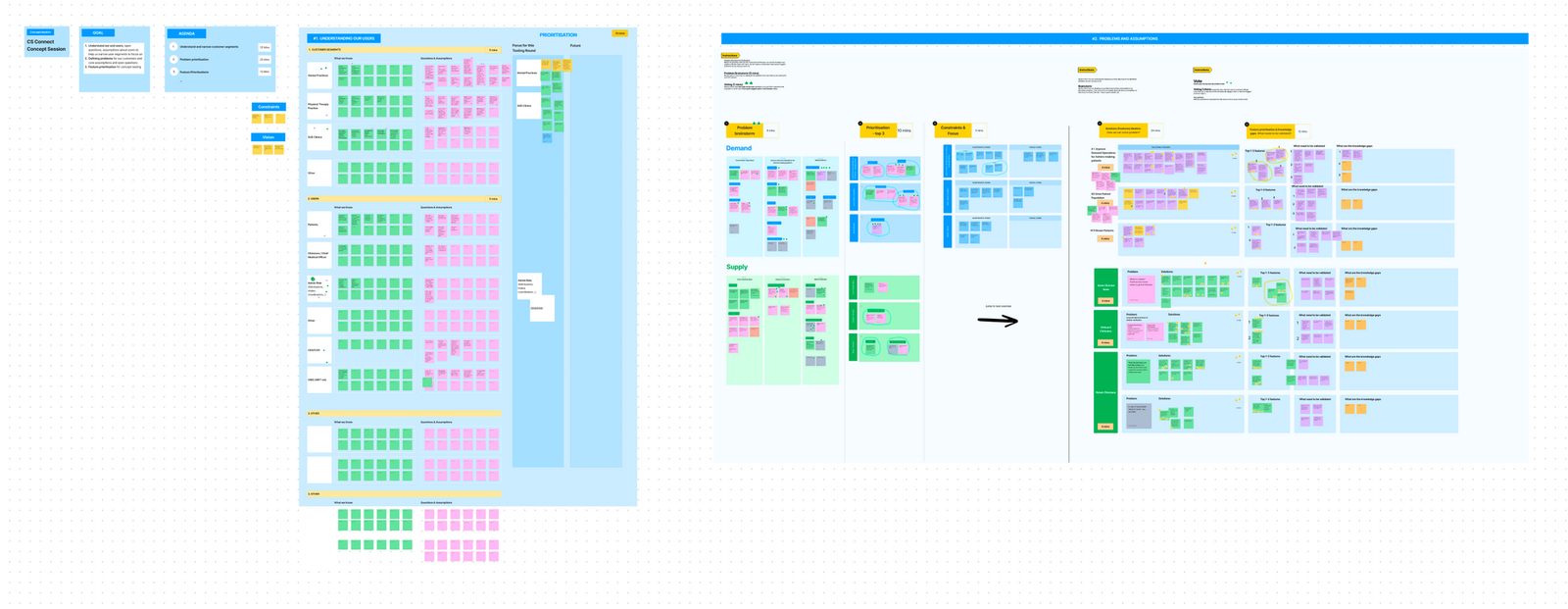
Workshops summary
Workshop #1. Prioritization for research focus.
Customer segment: We narrowed down the research focus to SUD and/or Dental Practices. Other practice areas were deprioritized or postponed. By selecting a first customer segment to focus on during research, we´ll be able to do a deep dive into the user problems and create prototypes for testing that are relevant and resonate with the user.
Users: We believe that we should validate our solution with all key users (Admin roles, Clinicians, Patients, and decision-makers CEO/COO). However, for this first phase of research, we agreed that we need to first prove the value for Admin roles and CEO/COO before we spend more time understanding other users.
Workshop #2 Summary
We generated a list of open questions and assumptions. Together we came up with two most important areas where we need to find answers:
- Operational inefficiencies we can help solve
- Available solutions
- Willingness to pay
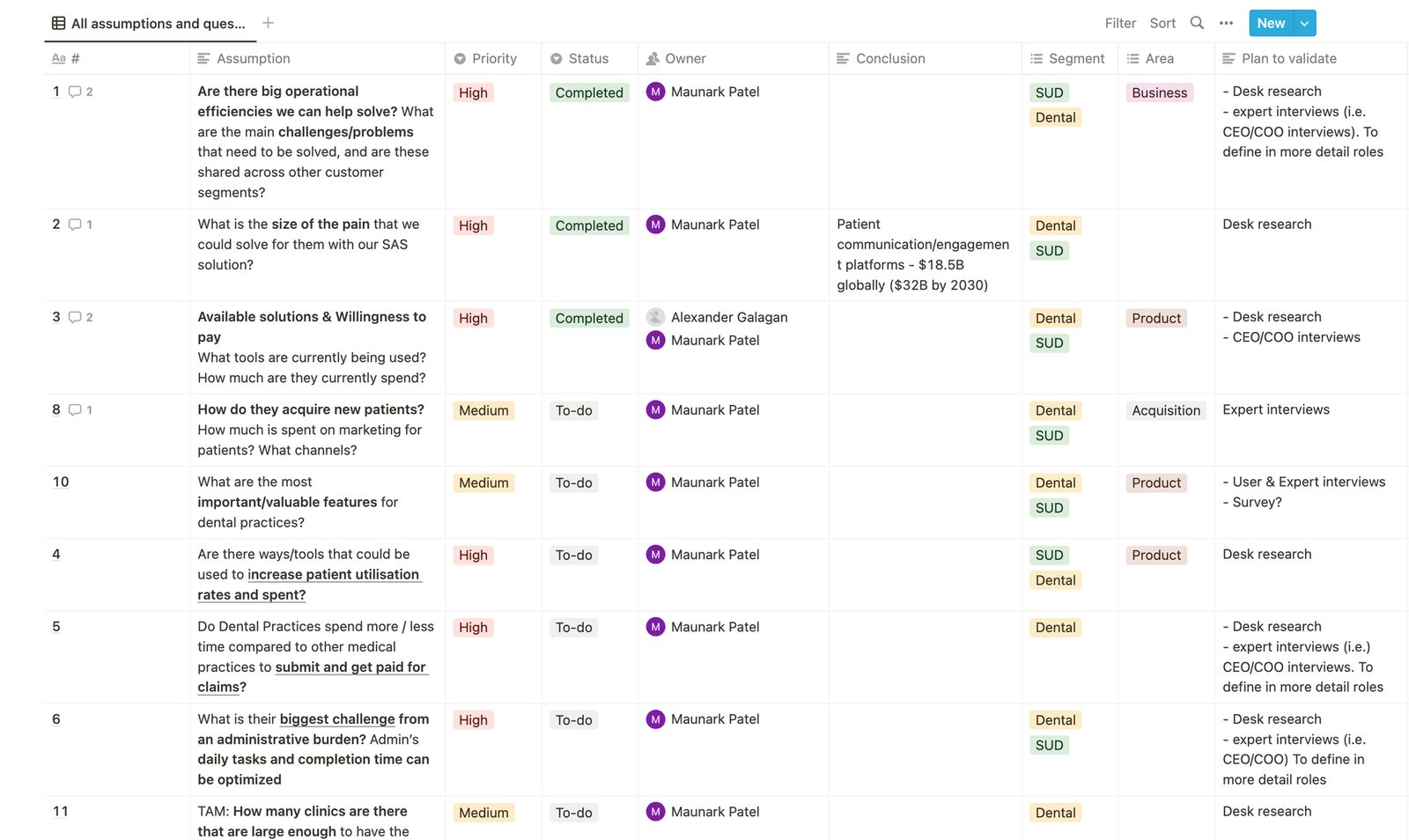
Knowledge gaps and assumptions tracker
To track a massive list of open questions, there was created a dynamic table to help us distribute questions to the right experts, store answers and make notes of how they can be validated.
This tracker was a foundation for expert and practice interviews.
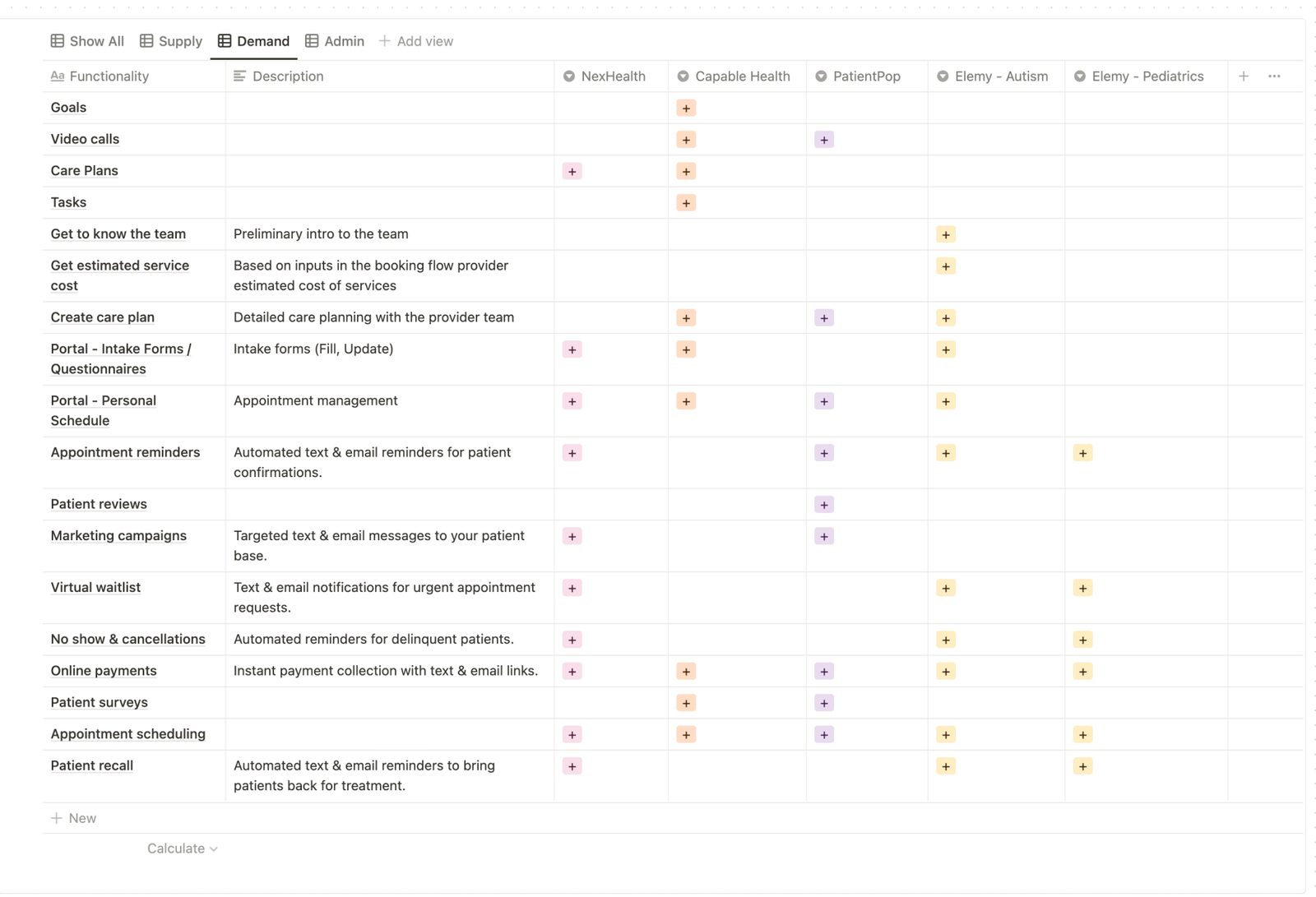
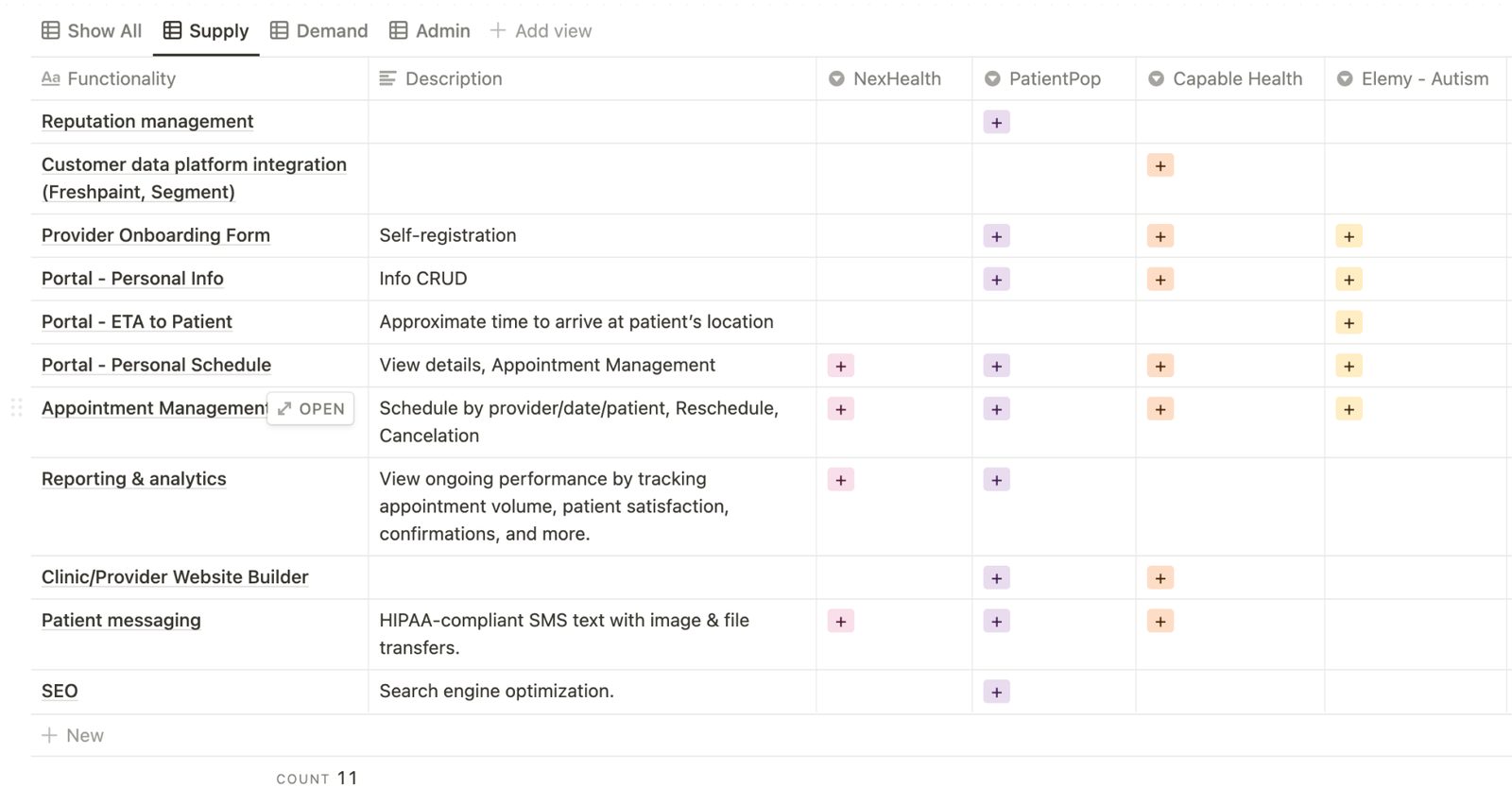
02 Competitors analysis
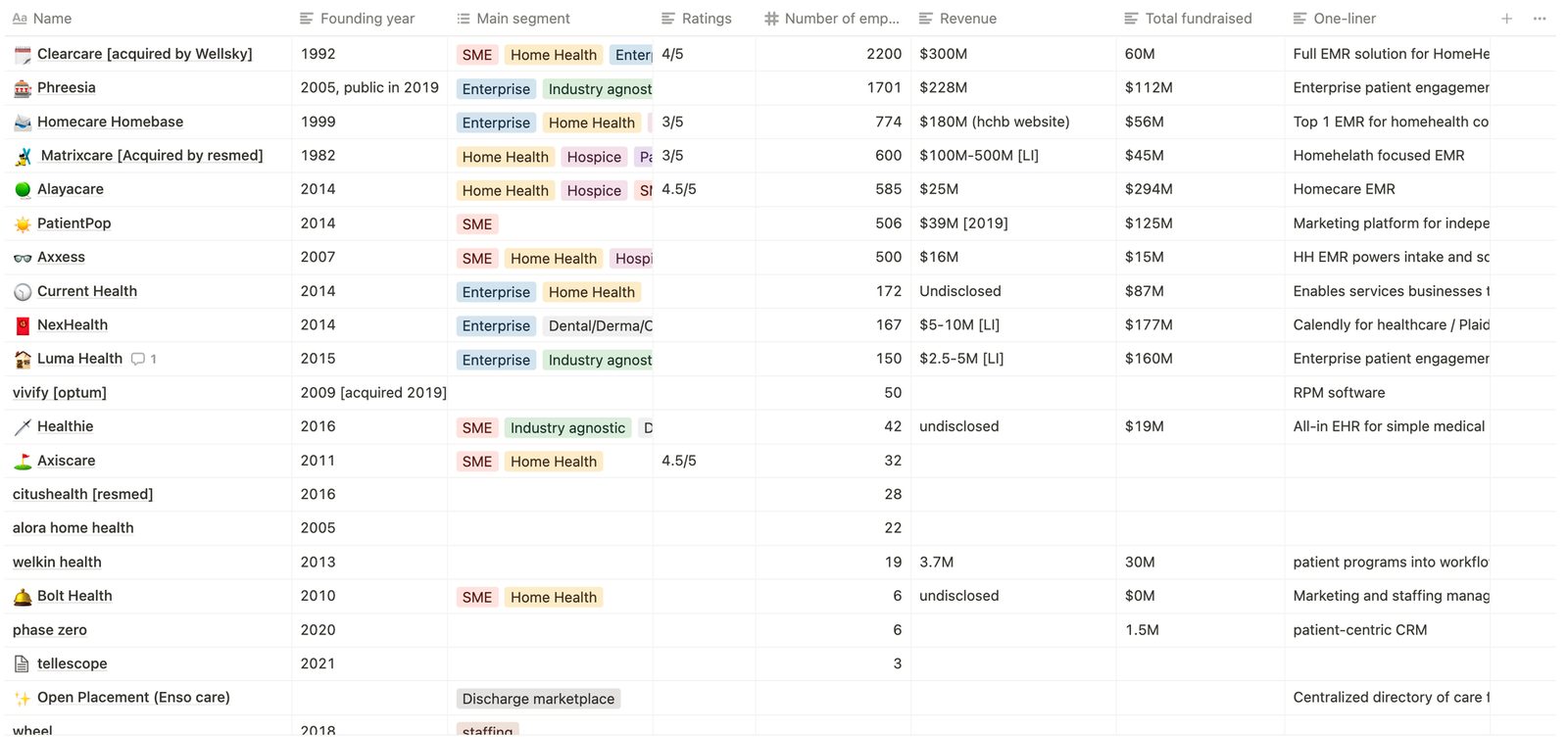
Overview: Analyze and evaluate the competitive landscape for SaaS healthcare products, services, and companies.
Goals:
- Define our competitive advantage
- Research the other companies we are competing with
- Gather information about the SaaS healthcare market
- Analyze key features competitors have
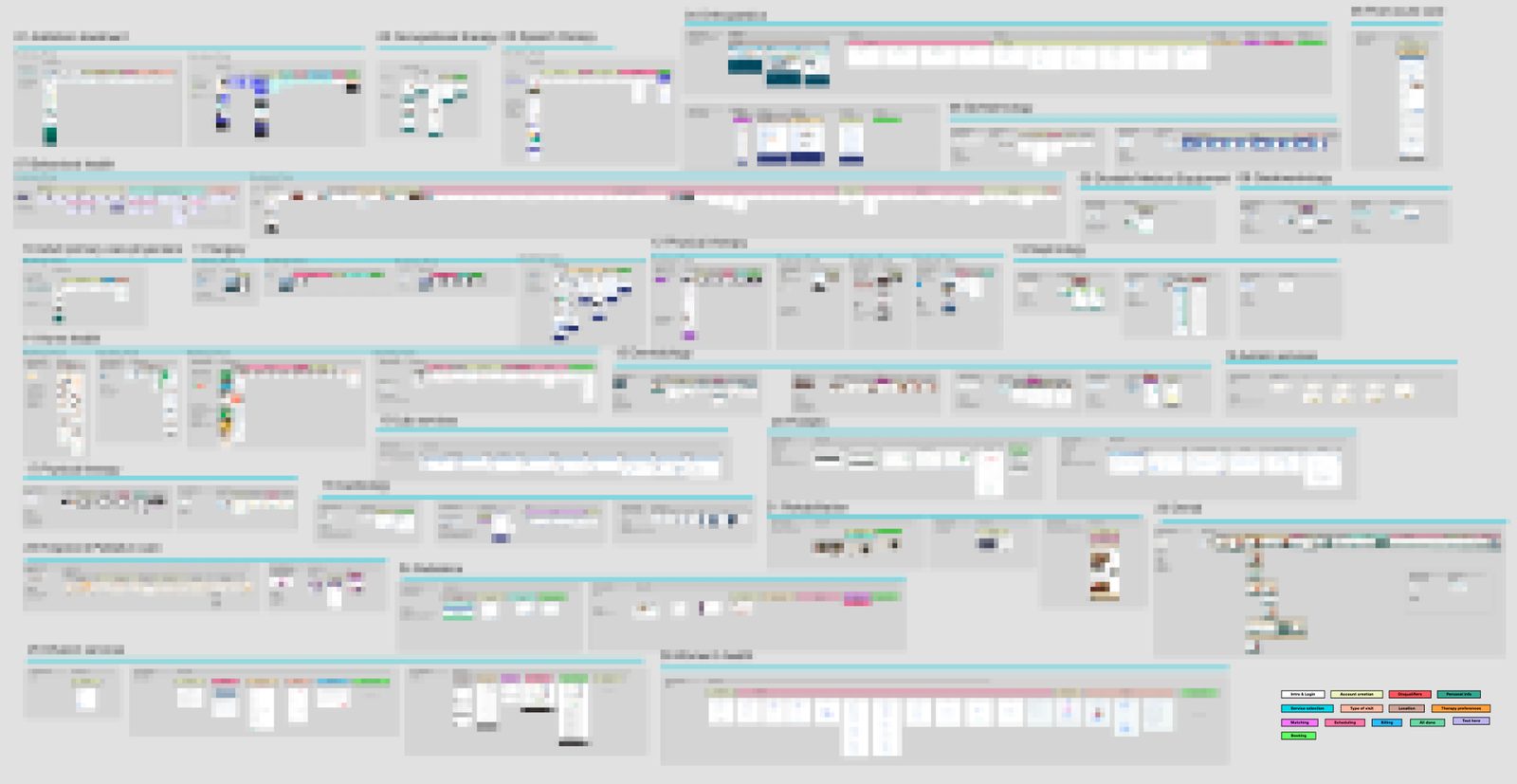
- Map out competitors’ user journeys and user flows (if possible)
- Review online reviews
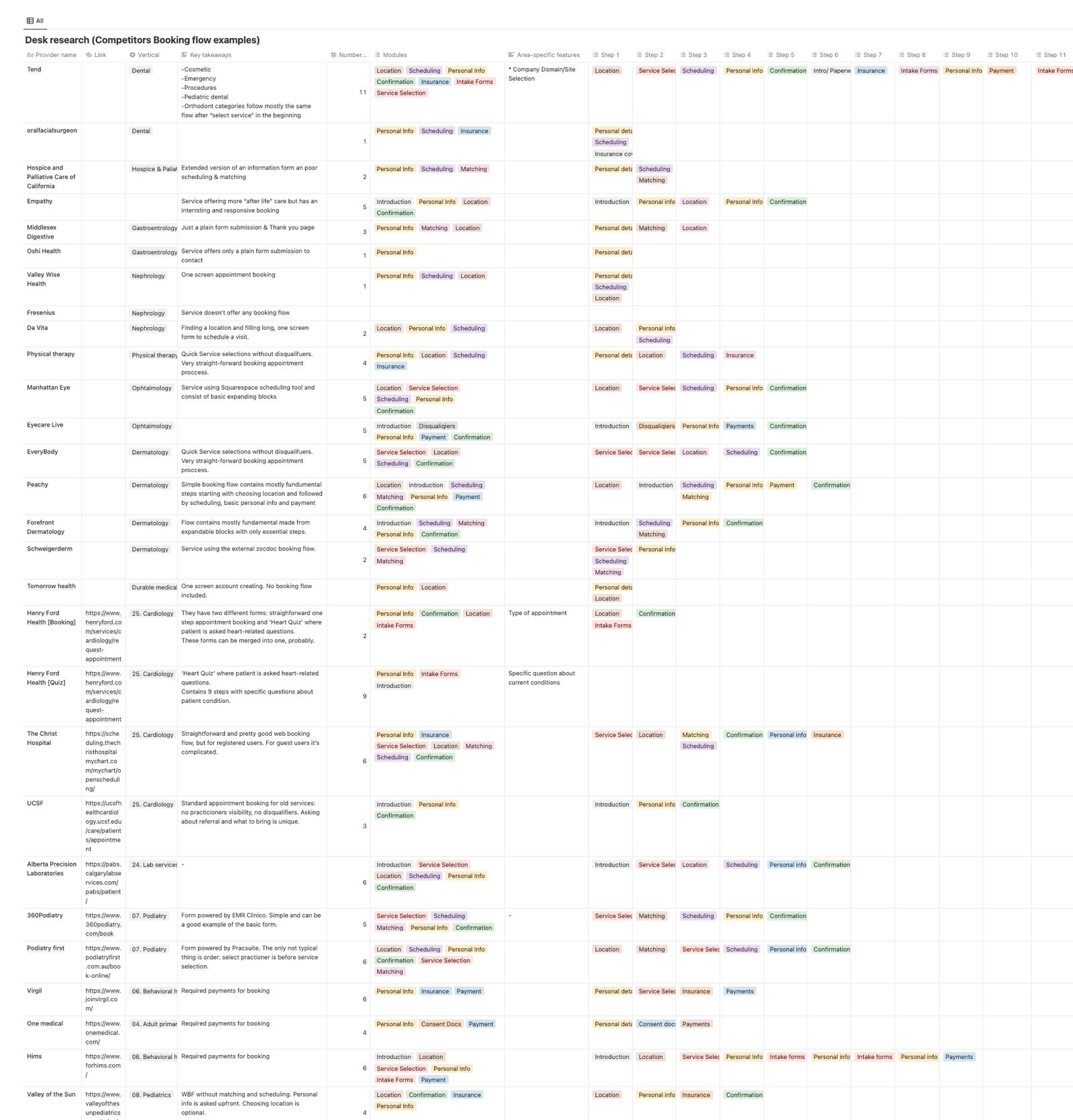
Features mapping
03 Development
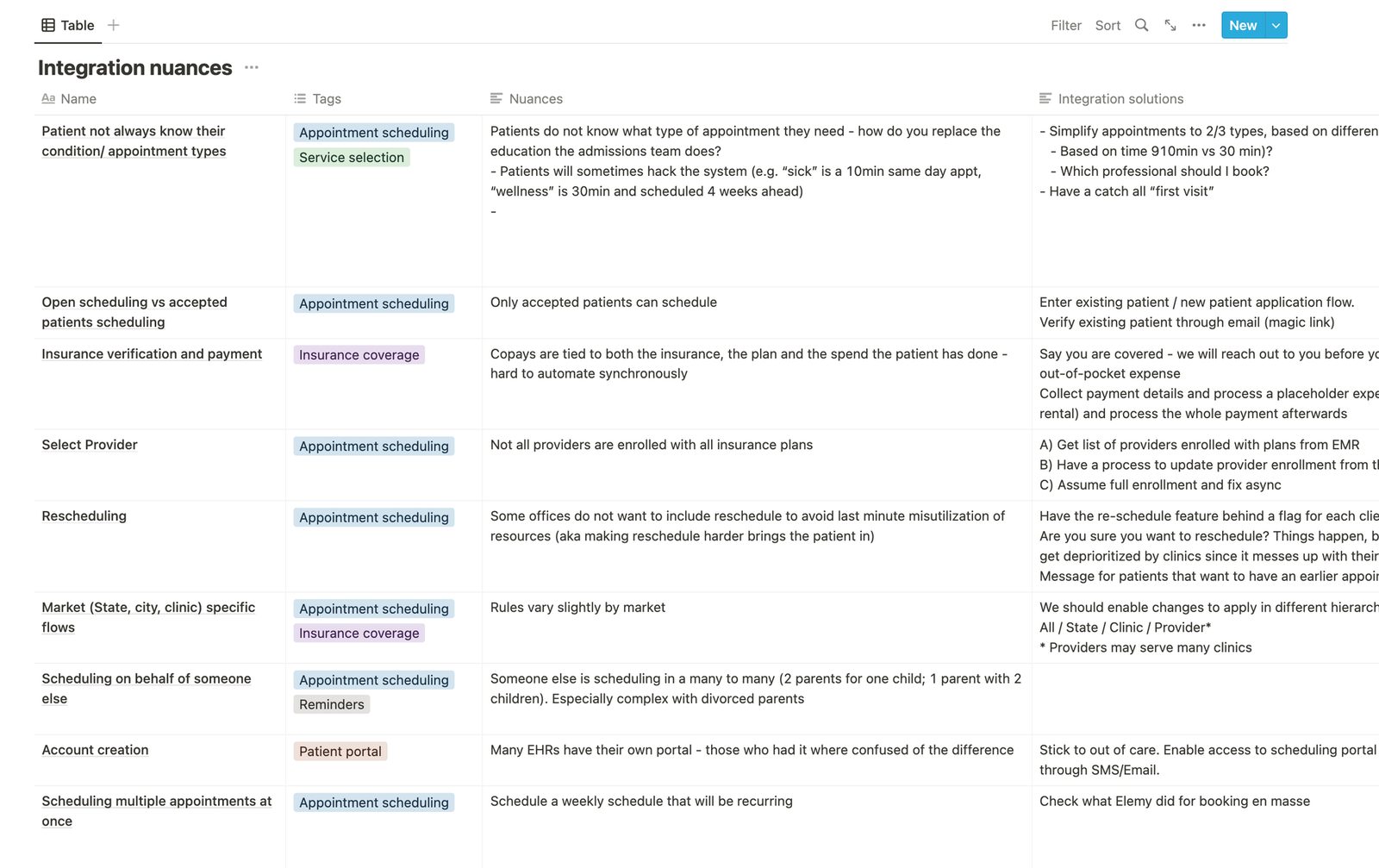
Before the start, it was very crucial to have early conversations with the development team, to understand the current technology stack, technical constraints, and capabilities. There was separate research on integrations with potential partners.
Phase 2: Ideation and validation
For the complex enterprise-grade product, to bring up to speed it was important to ideate the features and start meaningful conversations with experts and partners.
Prioritize the list of features that we assume will bring the biggest value. These features will be mocked up and tested with the target user to validate are solving the right problems and as well as test usability.
01 Workshop
Demand
- Grow Patient Population
- Improve Demand Operations
- Retain Patients
Supply
- Grow Clinician Base
- Onboard Clinicians
- Retain Clinicians
02. Problem statements
We brainstormed what might be the biggest problems/needs we could help solve for our target users. These are based on our own/and limited understanding of the space and the user´s role. However, it helps us highlight our assumptions and gives us a baseline to start testing and validating with users.
Demand problems
Grow Patient Population - Acquisition
- Help clinics attract new patients — Lack marketing expertise and ways to attract new patients beyond word of mouth
- Practices do not know how to set up SEO to drive organic traffic properly
- Practices do not manage google review pages well, and thus have low organic traffic
Improve Demand Operations - Activation
- Reduce no-shows/ cancellations — Manually have to call patients to confirm appointments
- Insurance eligibility — Patients are frustrated they can’t assess whether the practice actually takes insurance and then often get billed afterward
- Payments — Patients are frustrated they never know what they will pay for their care until afterward. Don’t know what insurance covers and what practice covers.
- Wrong customers — Practice admins spend a lot of time on the phone with patients who do not qualify for care (missing insurance, wrong services, too expensive)
- Lose interaction with patients — For low-frequency visits like general dentist the practice loses follow-up with patients even if they schedule a follow-up 6 months later
- Missed appointments — Especially for new patients to the practice there are lots of no-shows. Practices lose money if patients don’t show up
- Lots of time on the phone — Admin spend a lot of time calling patients and texting them to follow up about whether they have filled out forms, will attend or not, reminders, etc
Retain Patients
- Lack of establishing and maintaining communication with customers
Supply problems
Grow Clinician Base
Where to market? Practices don’t know where to go find clinicians
Onboard Clinicians
Background and license checks: Practices spend time doing admin tasks to even verify if a clinician is appropriate
Long process: credentialing. Takes a long time to credential clinicians
Retain clinicians
Their blocked hours are not fully utilized, and these are lost hours they could have worked with a different provider
In case of the tight market: Ability to “teach” new providers
03. Features ideation and prioritization
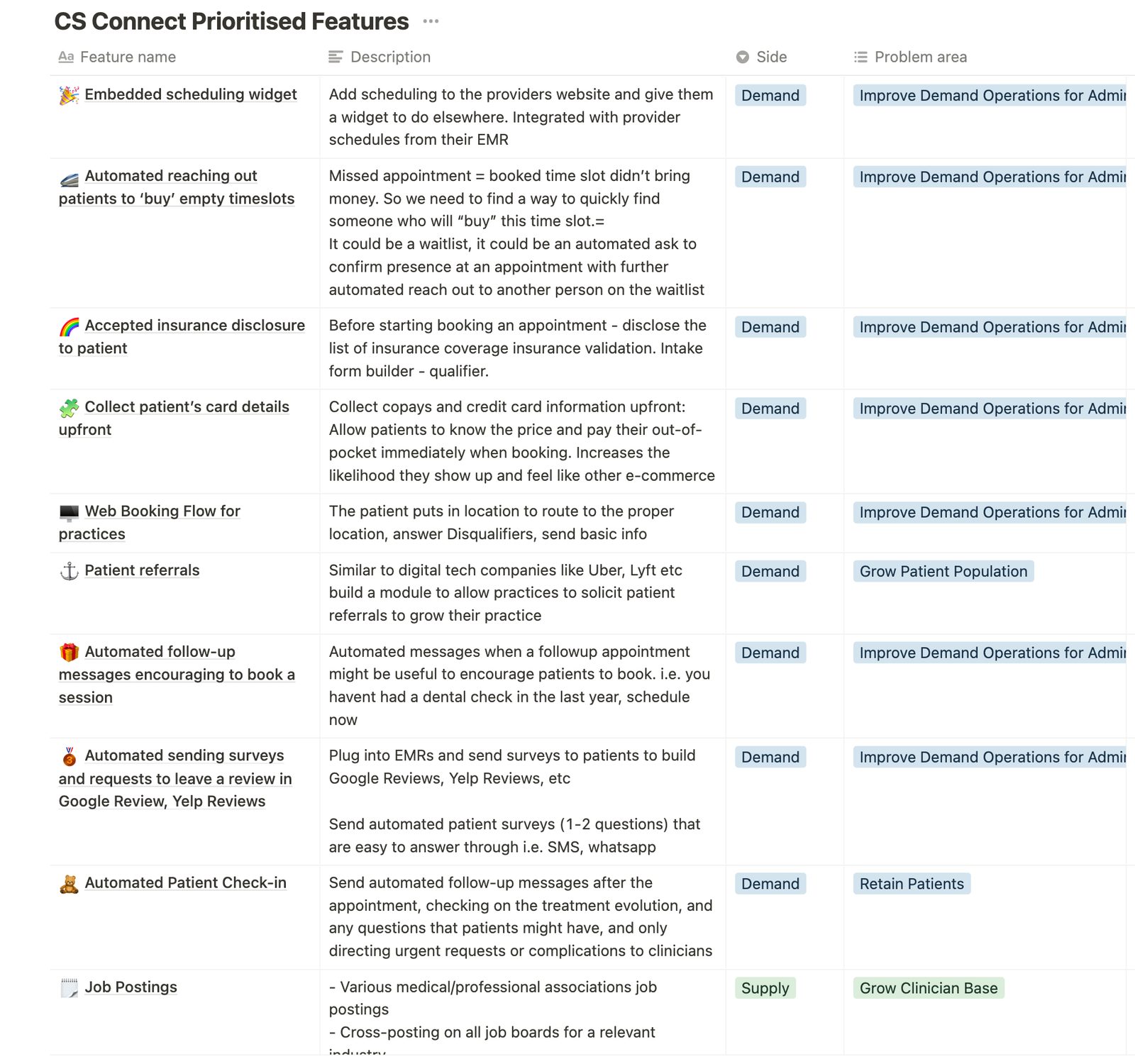
Below is the list of prioritized features we plan to design and test with users.
Based on the prioritized features, I created a list of user stories that need to be covered by the initial prototype.
One of the core features is the web booking flow builder. Here we defined the variety of modules, their order, and how they might work for different verticals.
04 Expert interviews
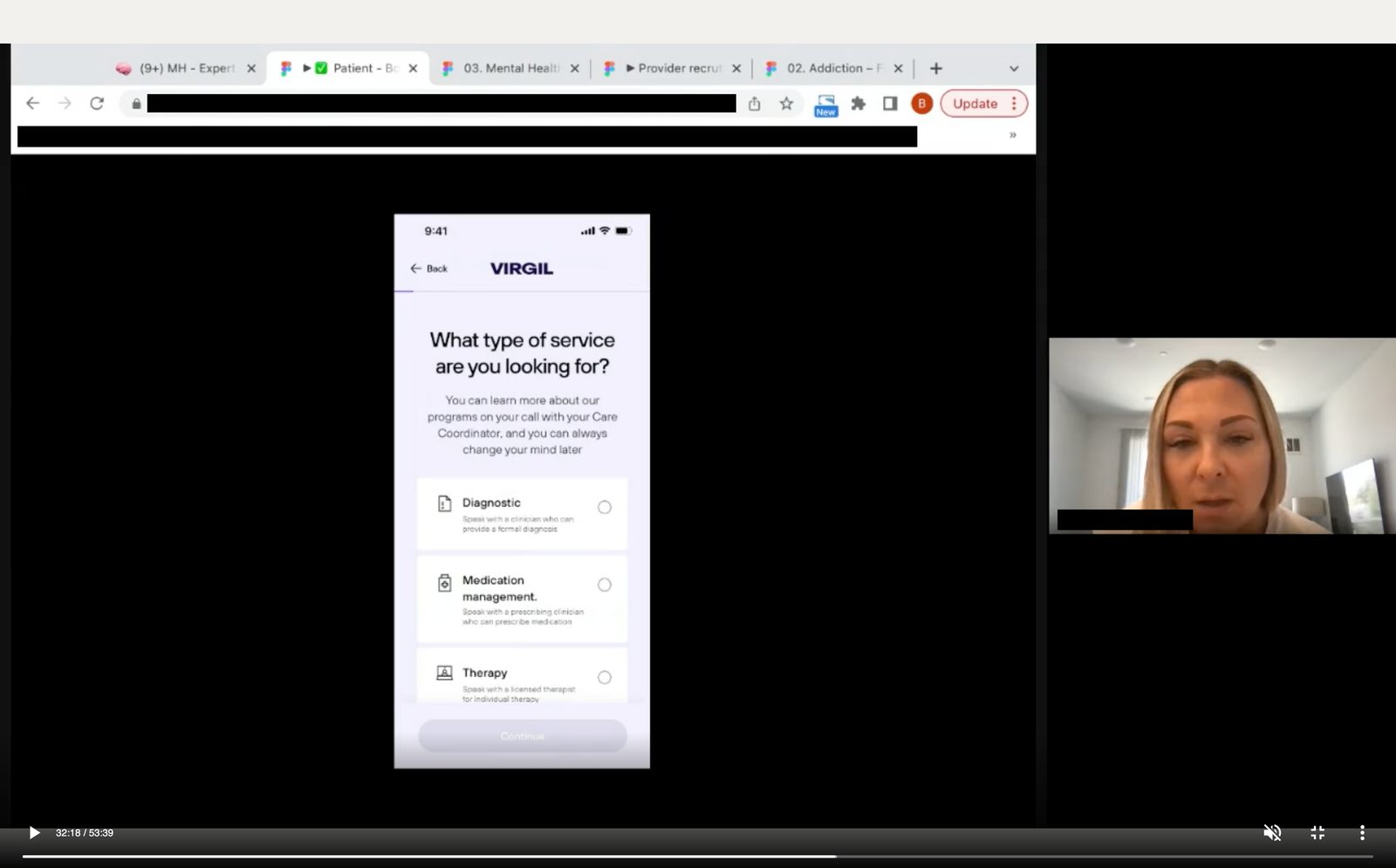
With the initial prototype, we started conducting expert interviews.
Experts were recruited through three channels:
- Internal experts, since we have highly qualified and experienced professionals in the healthcare domain.
- From affiliated companies.
- External experts, who were found on LinkedIn.
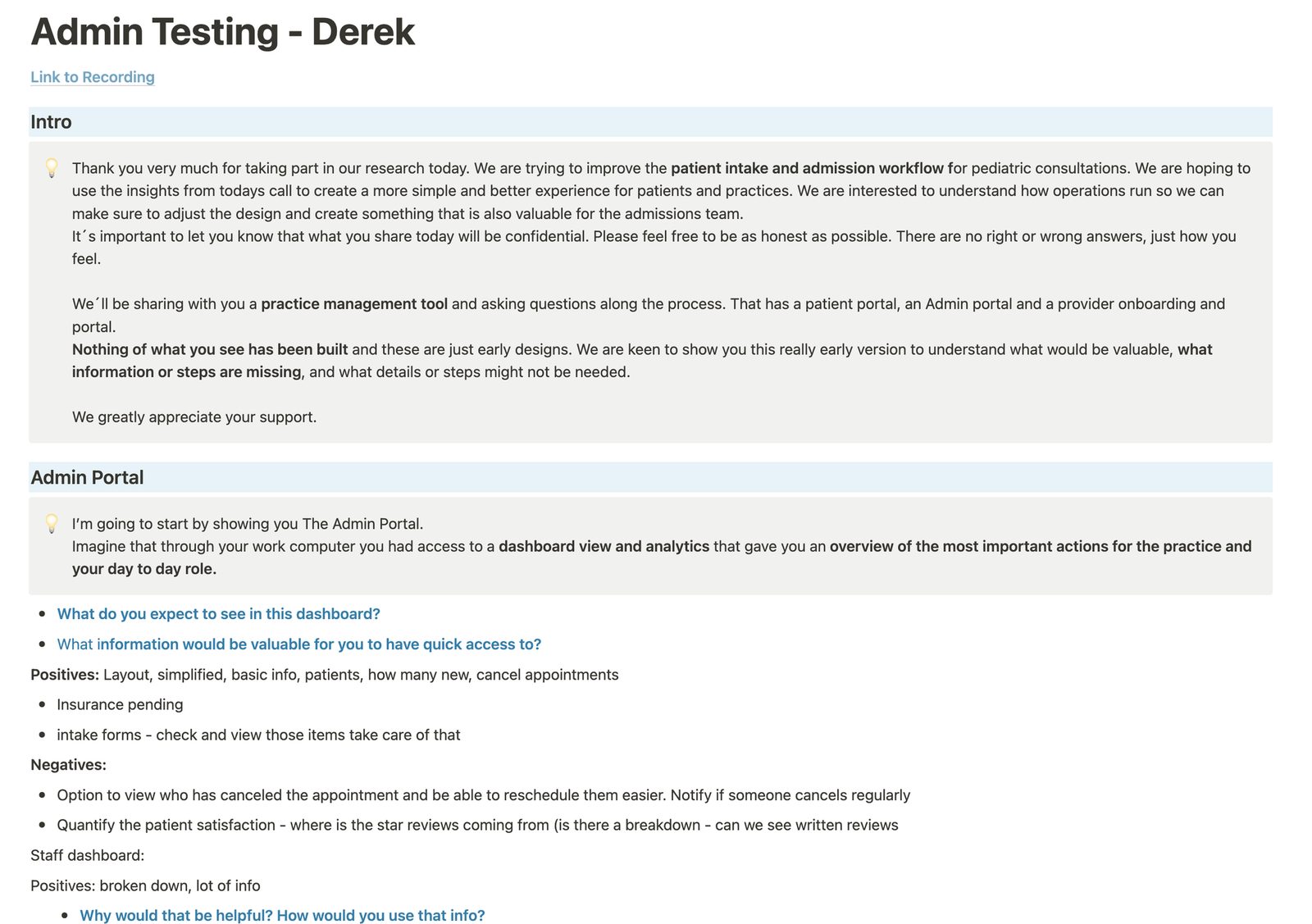
For each interview, there was prepared unique discussion guide, to fit the expert’s qualifications. The guide was enhanced and updated after each interview.
Phase 3: Design and the new phase of testing.
After the initial 2 phases of the research, we acquire enough knowledge to do a much more serious stage of the research: preparation for pitches to prospective clients and venture companies.
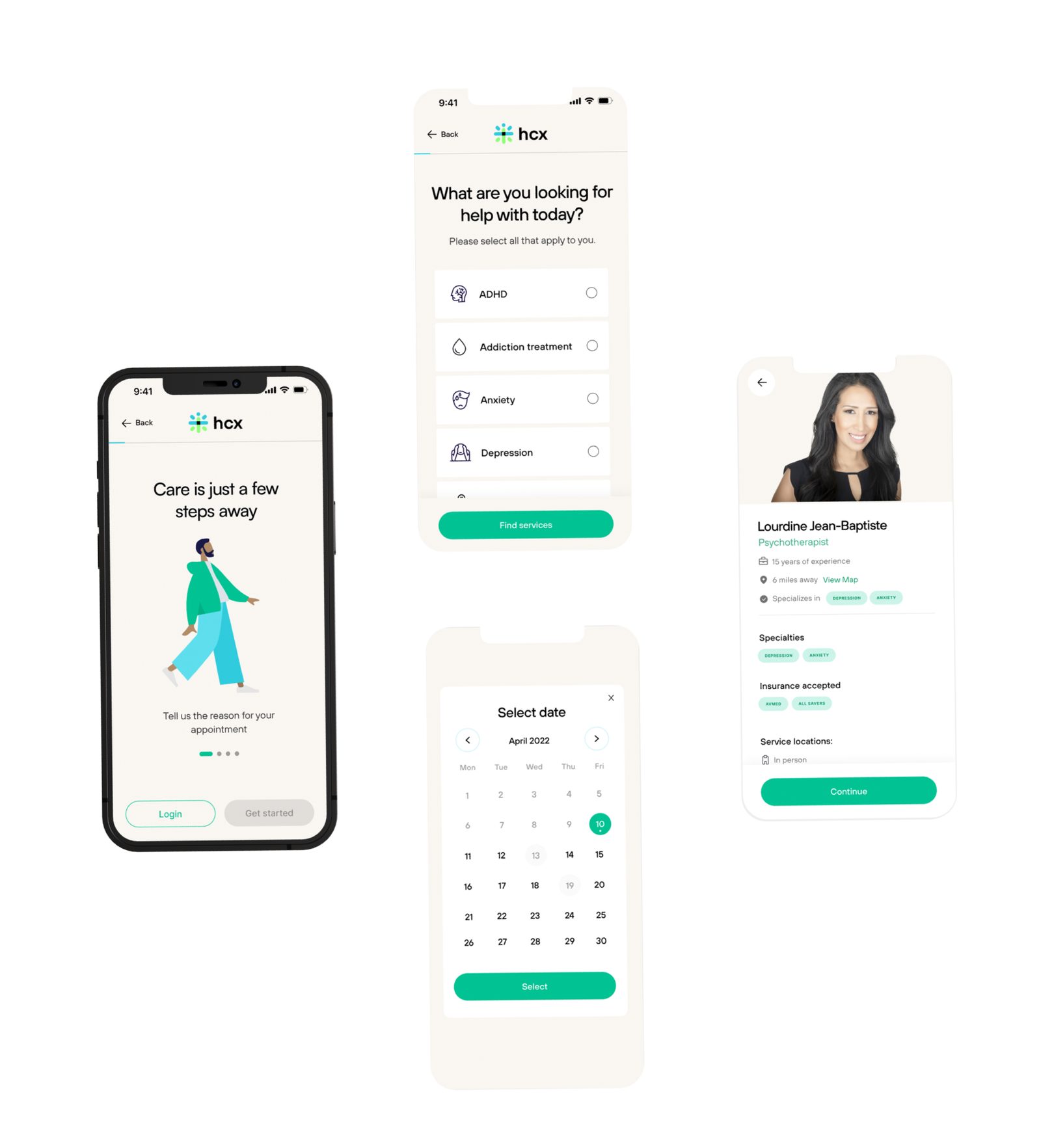
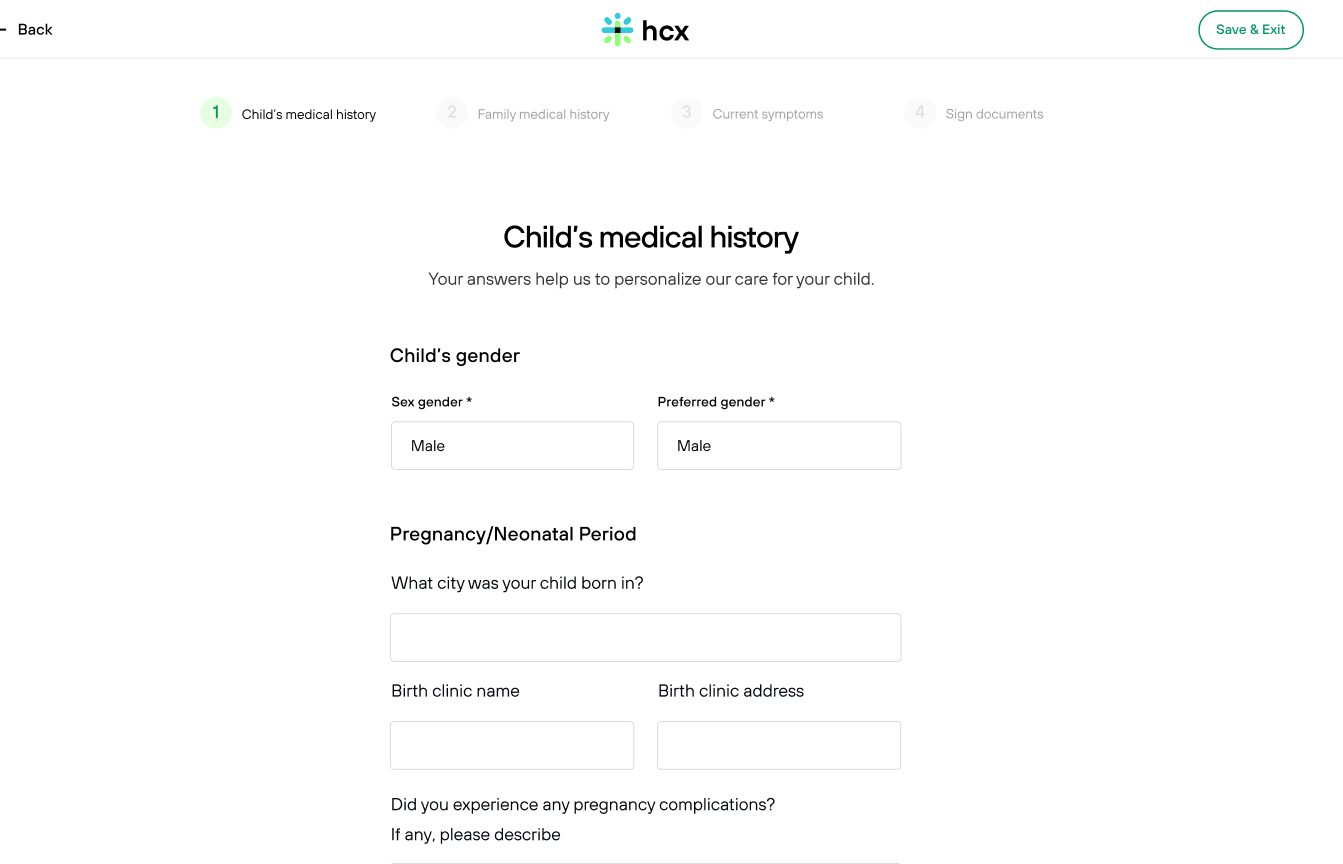
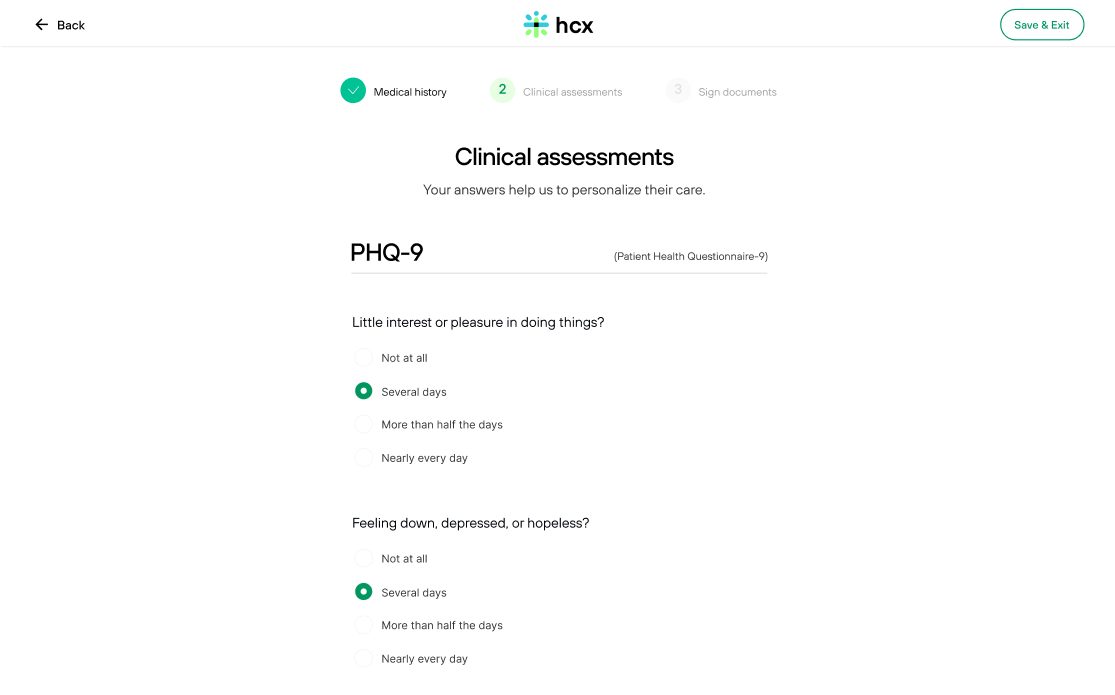
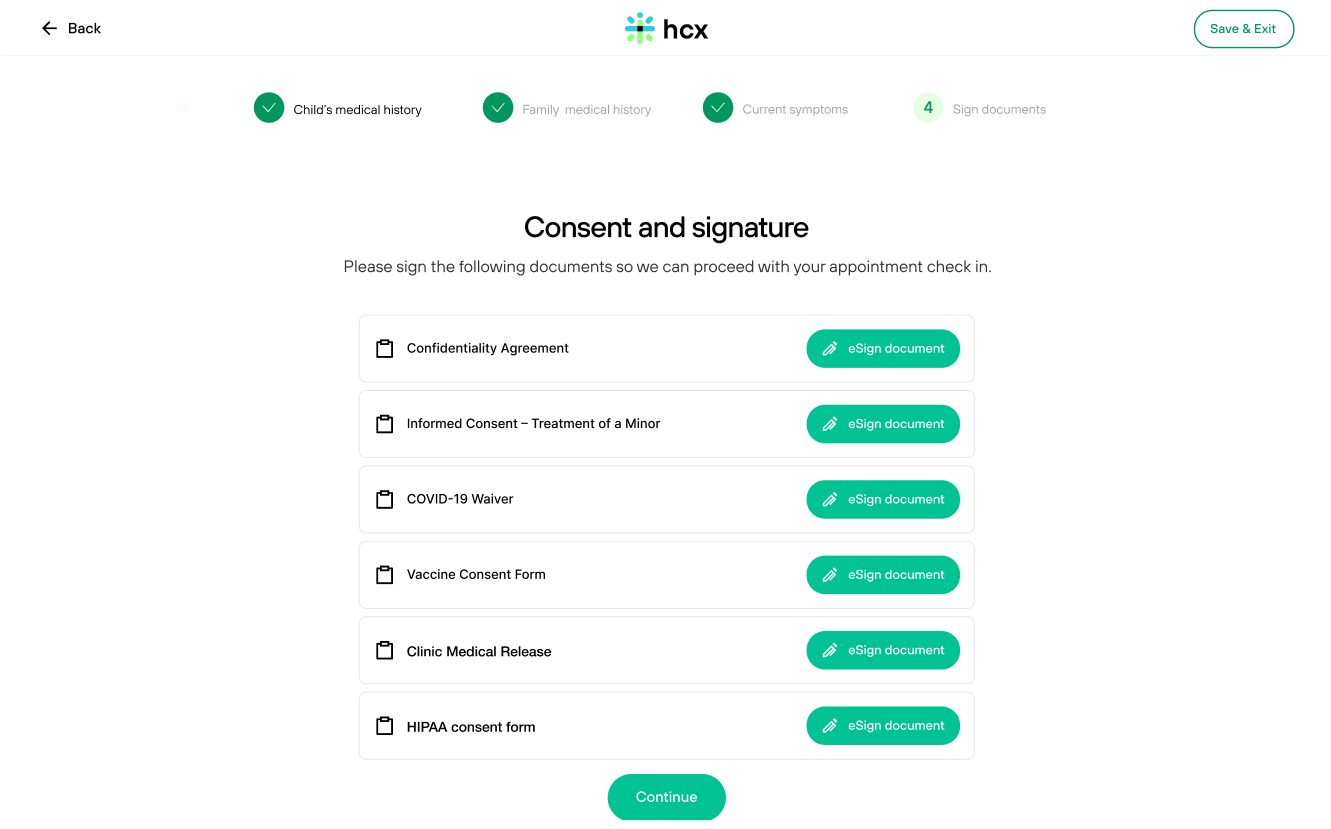
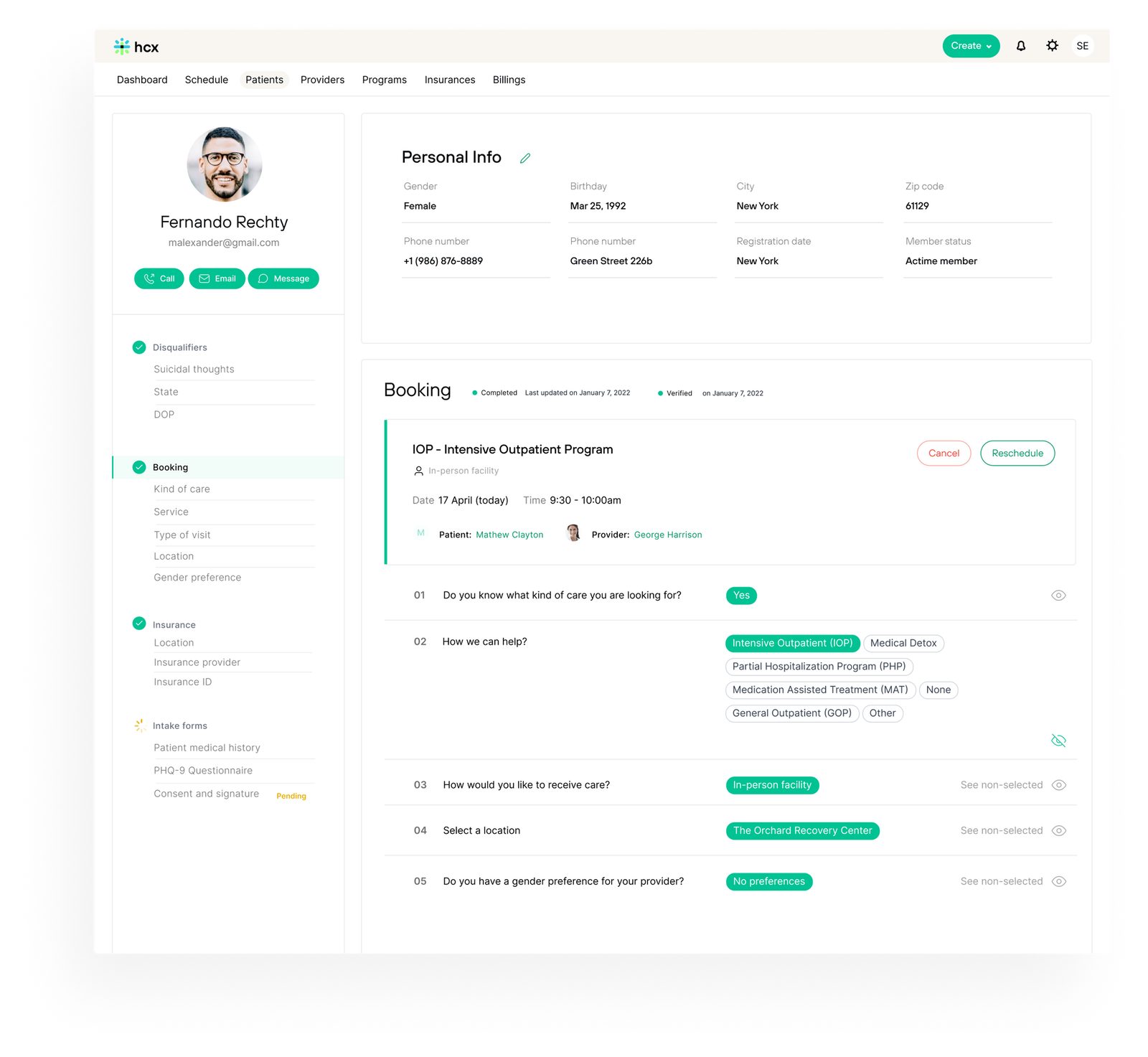
01 Patient booking flow
Modular white label patient booking flow.
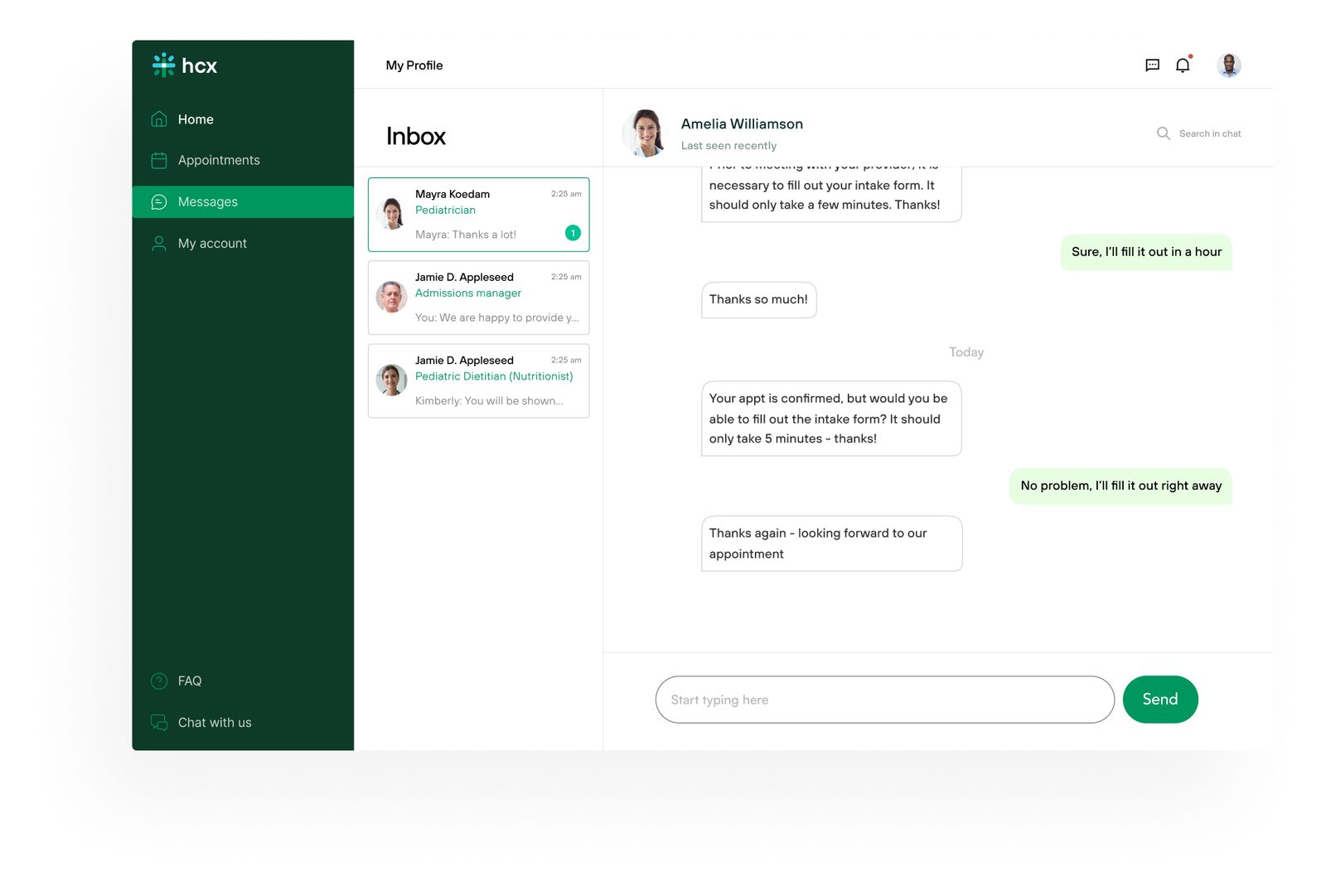
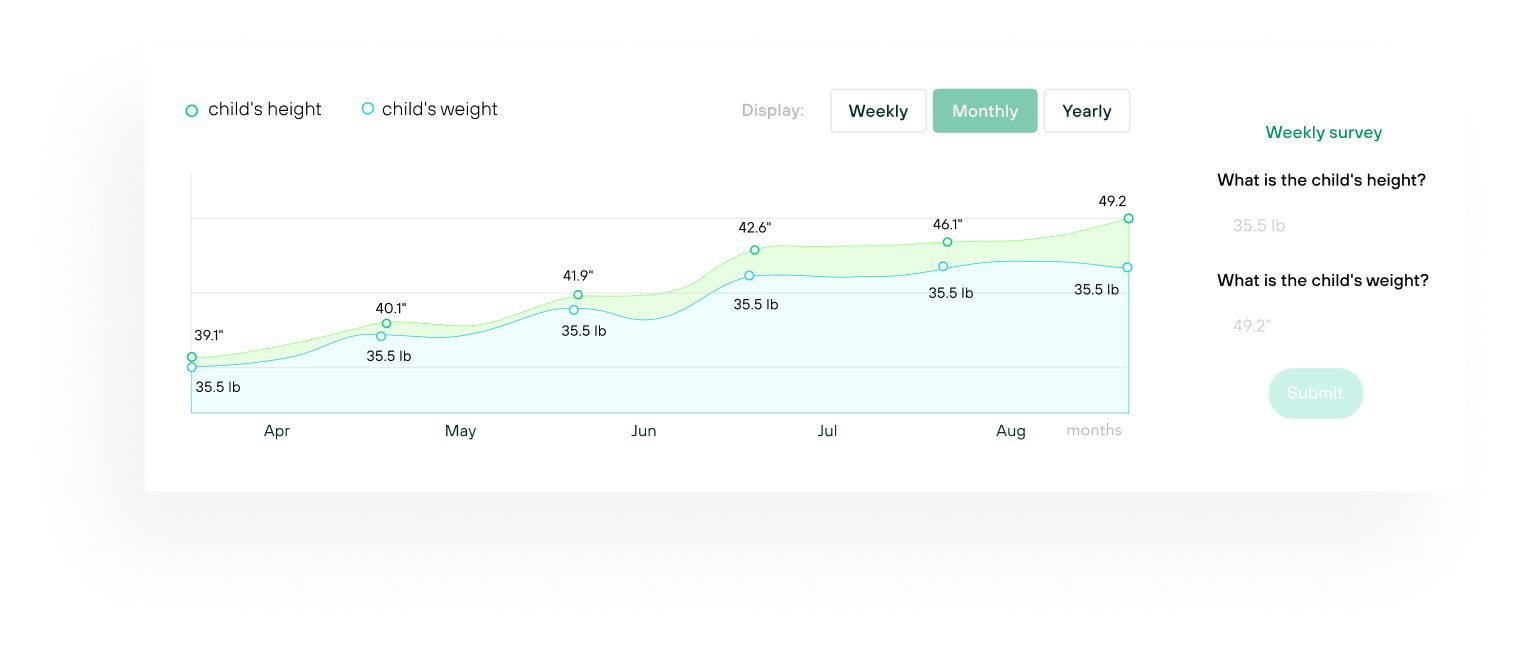
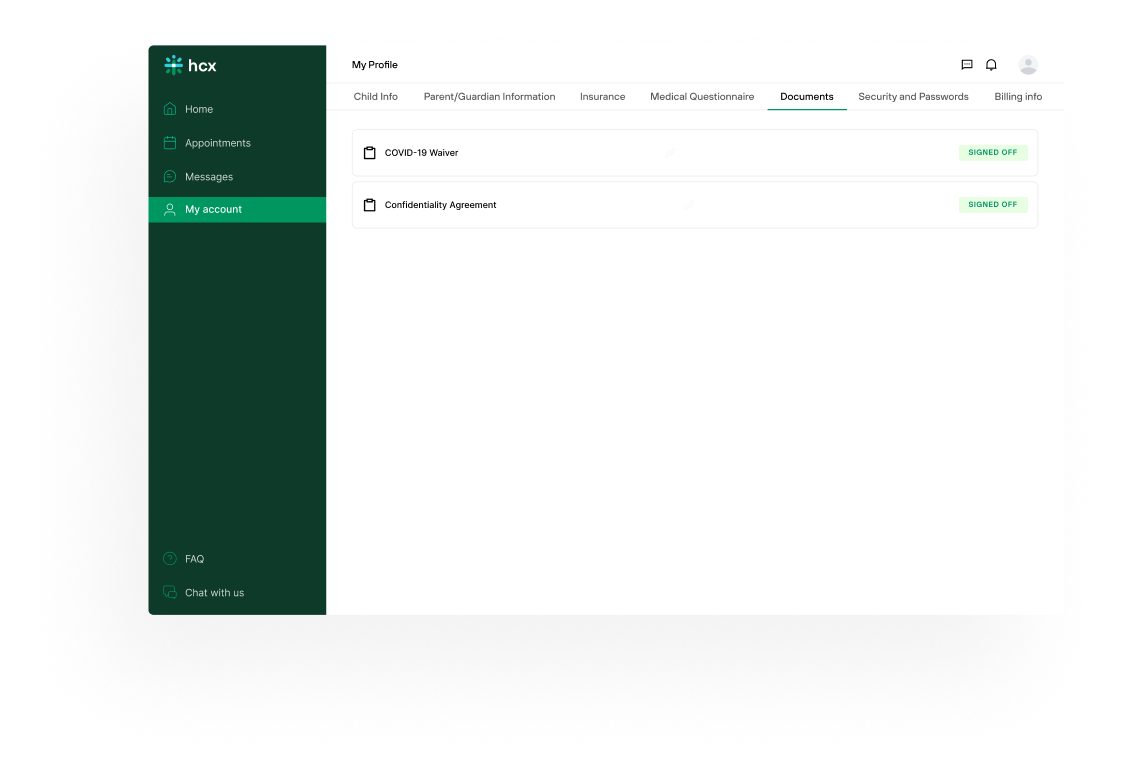
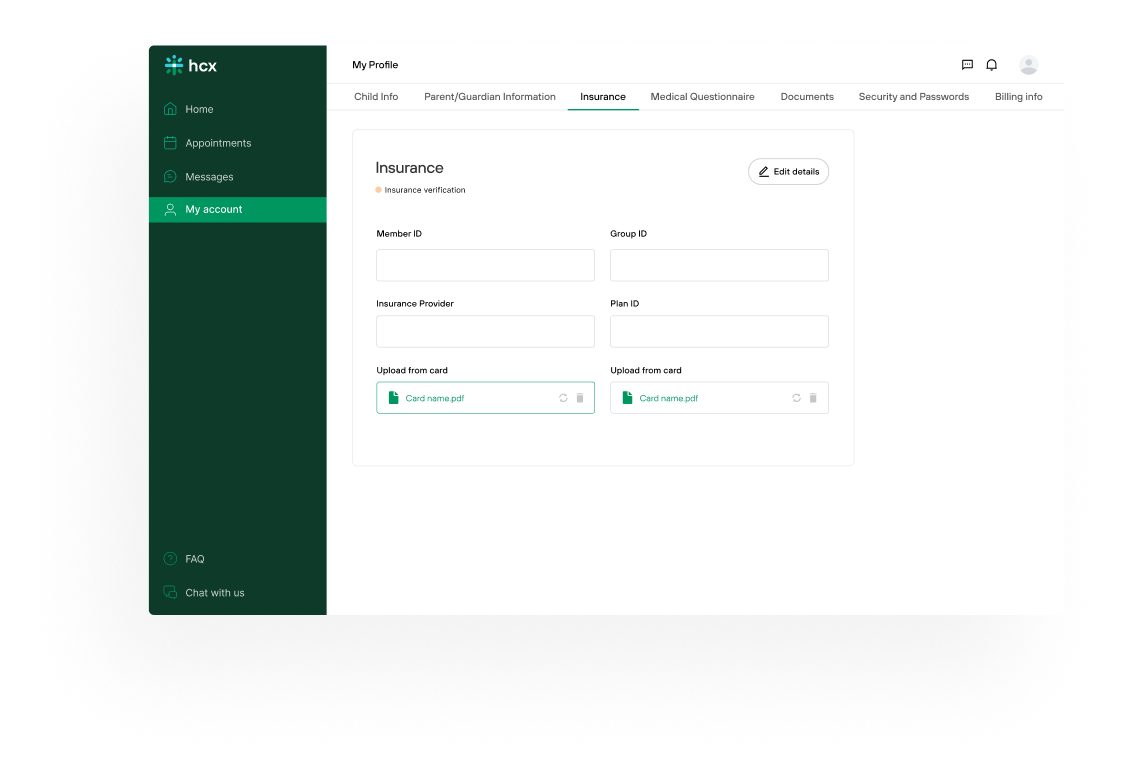
02 Patient Portal
Patient using it’s portal can manage appointment and contact providers.
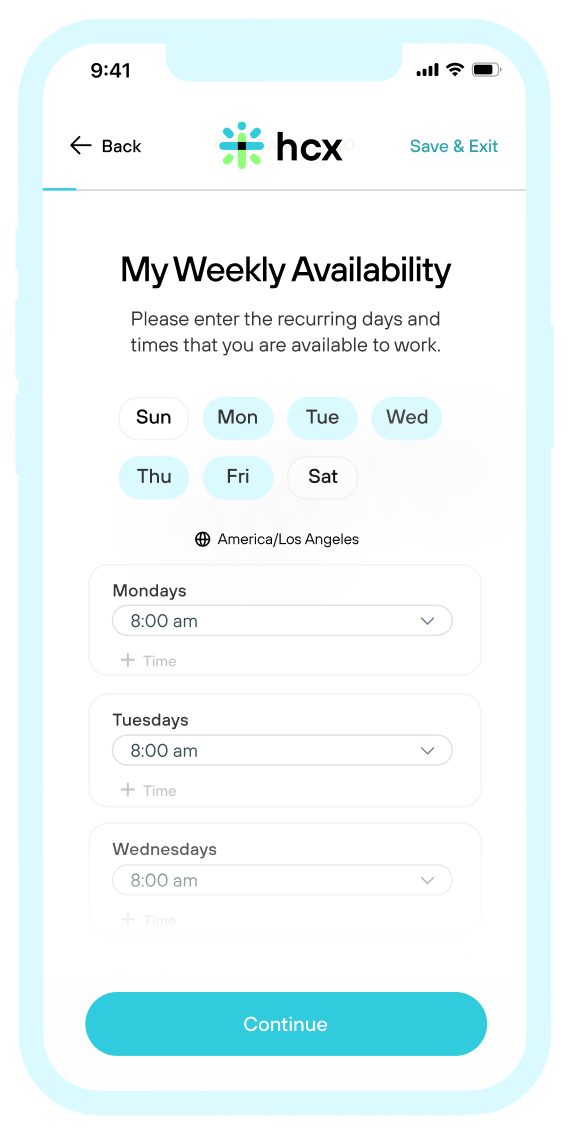
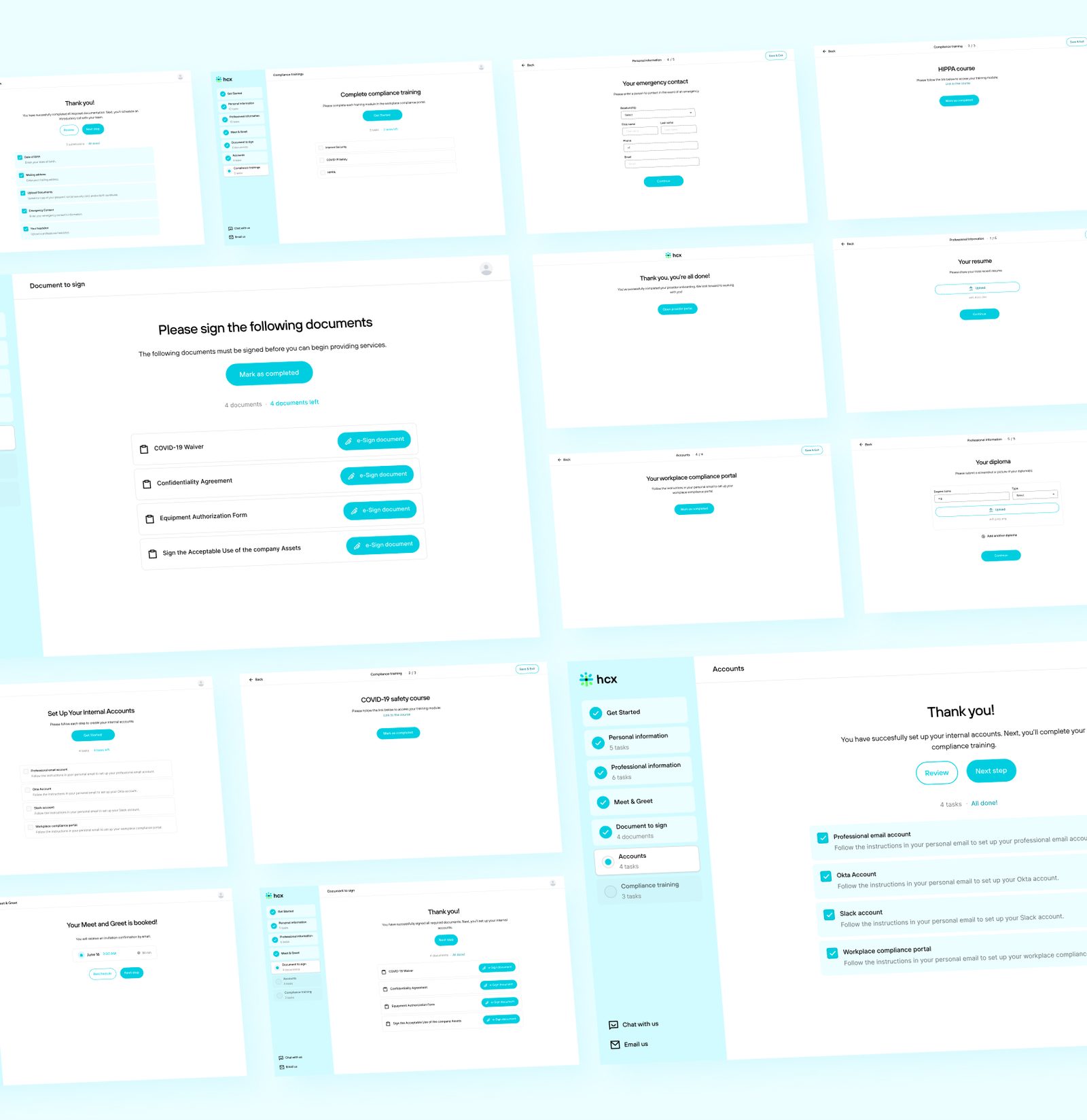
03 Clinical staff onboarding
Clinical staff onboarding helps to automate the steps of the onboarding process.
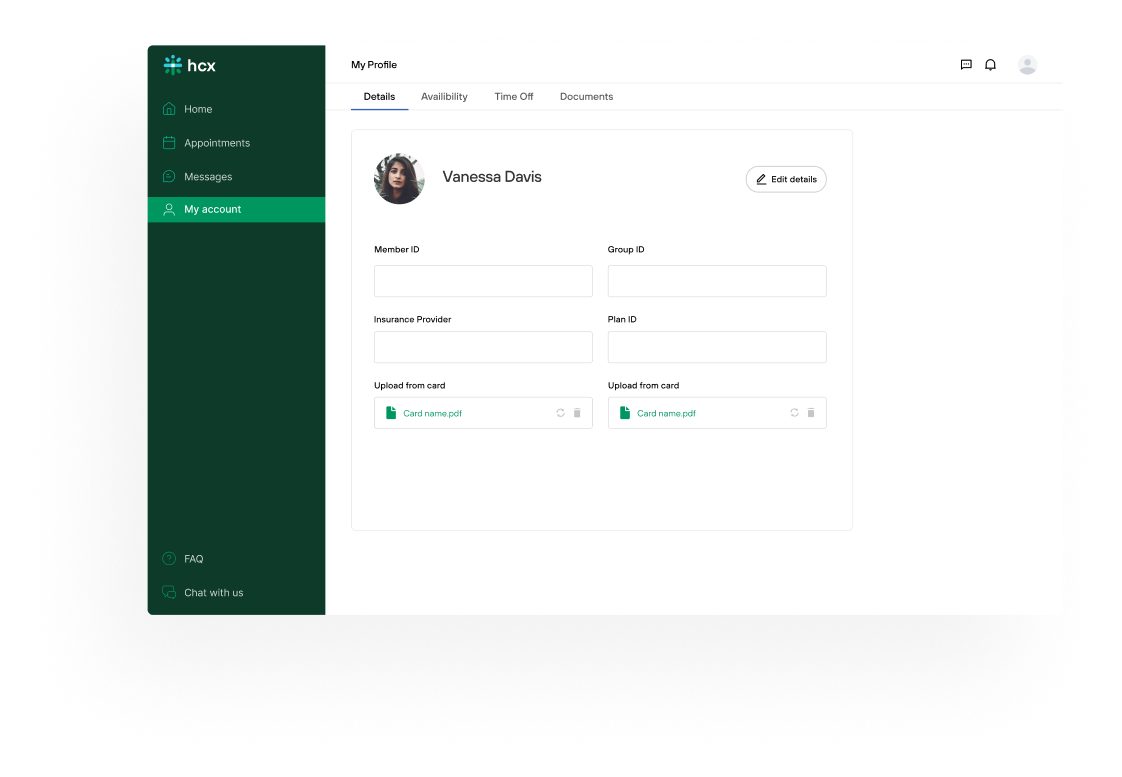
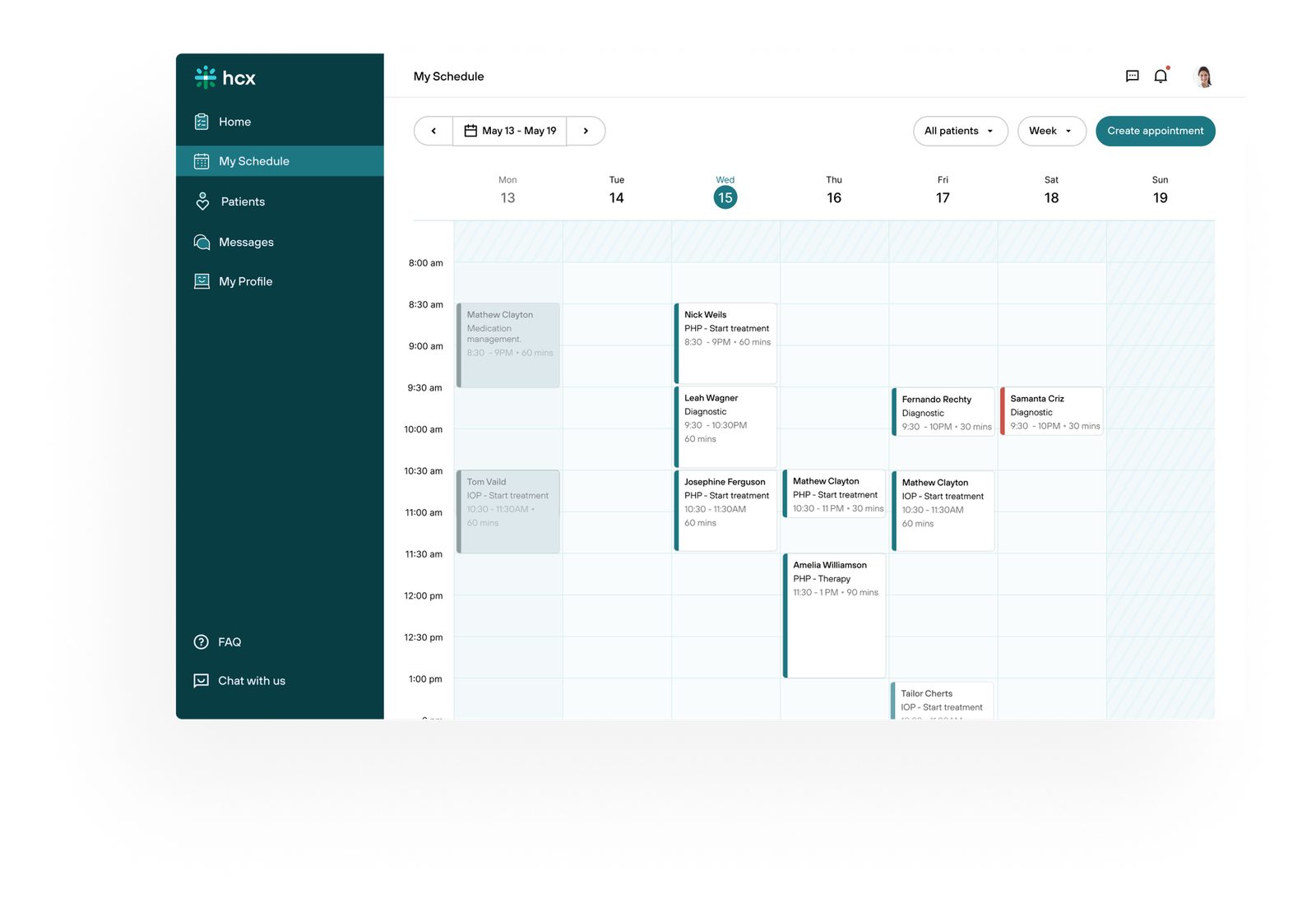
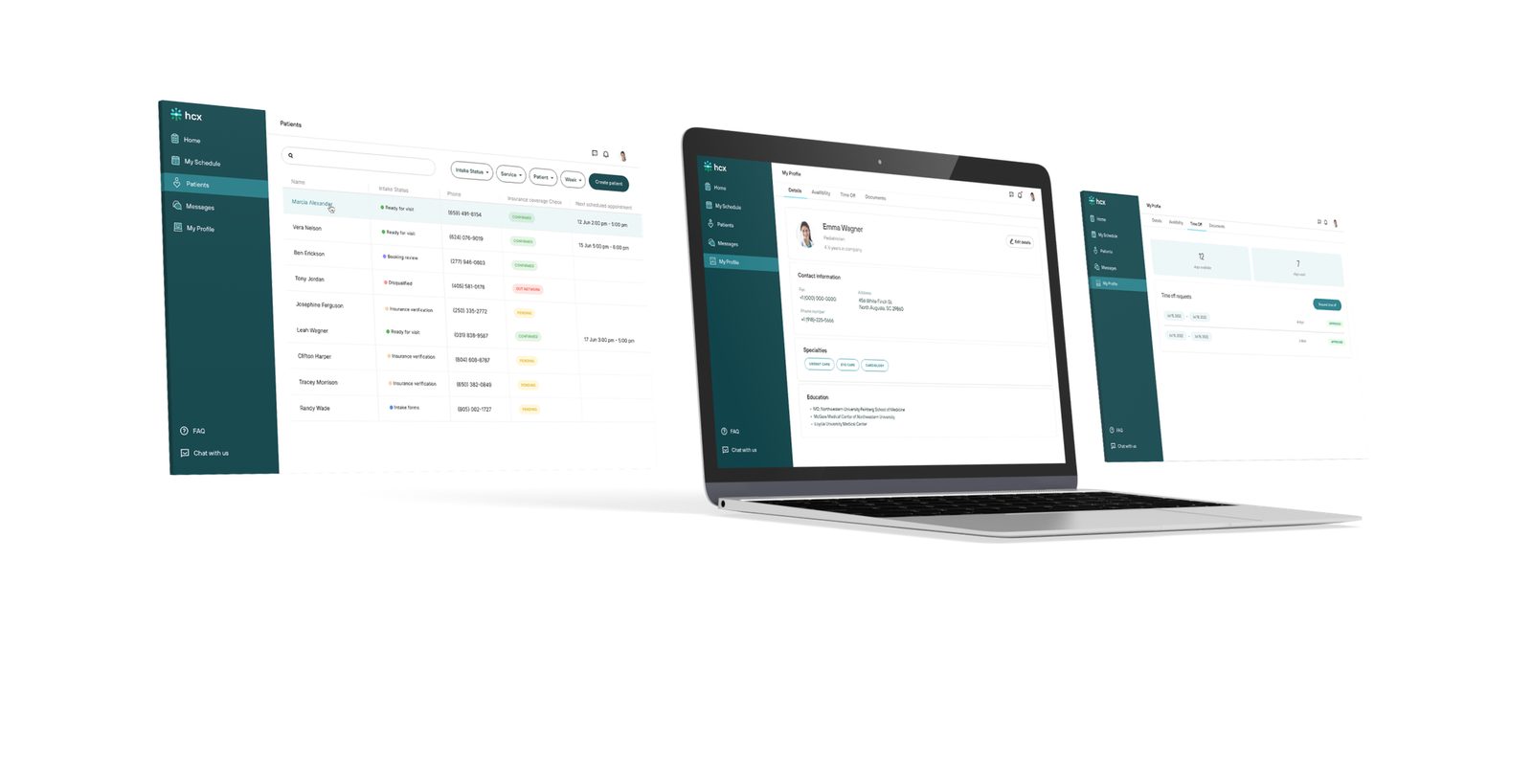
04 Provider Portal
A provider portal is an essential tool for managing patients and appointments.
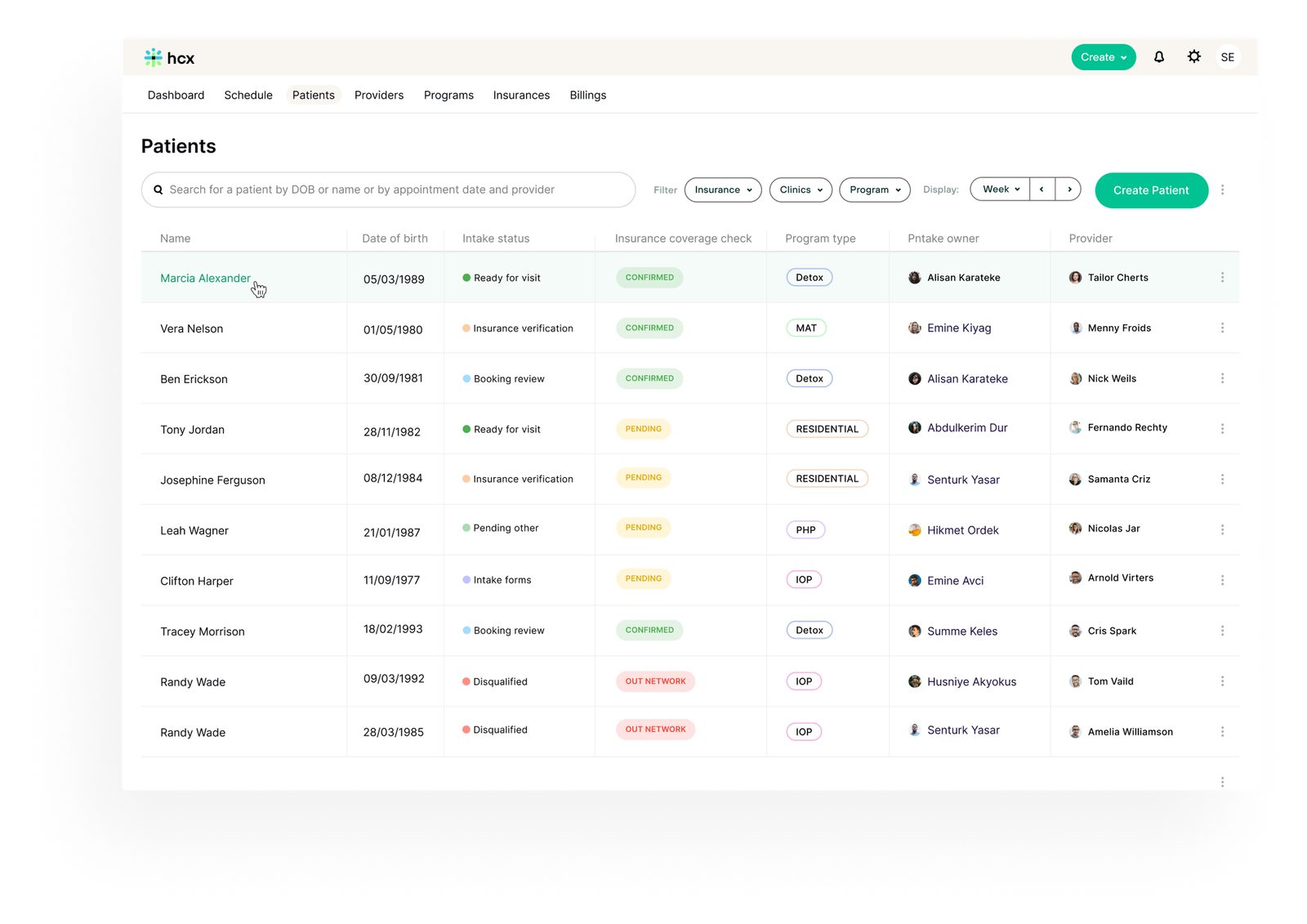
05 Admin portal
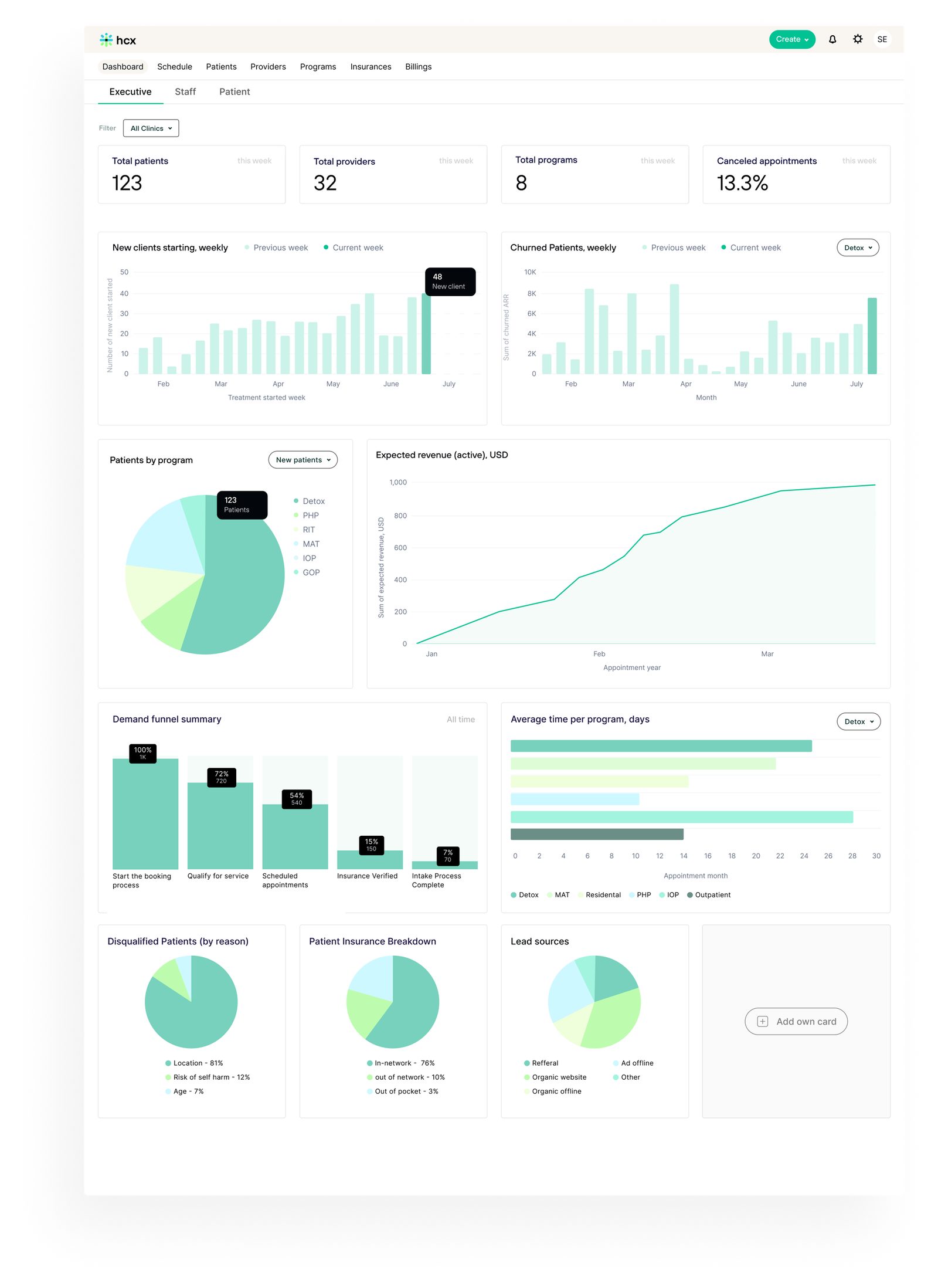
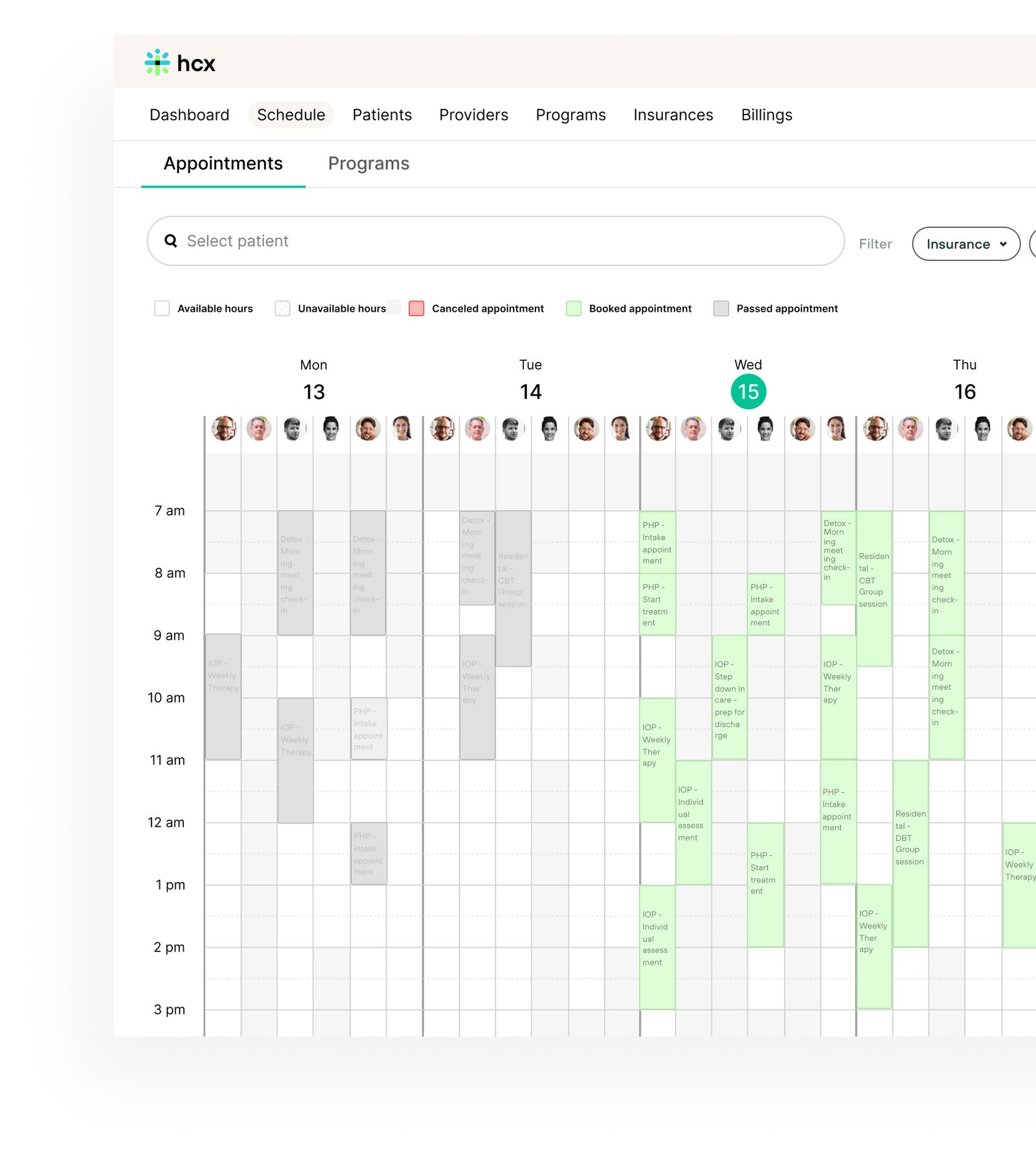
The Admin Portal is a practice management system. Depending on the practice type, there can be a different set of modules.
Outcome
Thanks to this research there are several ongoing negotiations regarding partnerships with large practices. It’s a tough market now, but venture investors are highly interested in this product and its commercial perspectives. This is just a start and it’s an honor for me to lay the first stone.